Apr 4, 2025
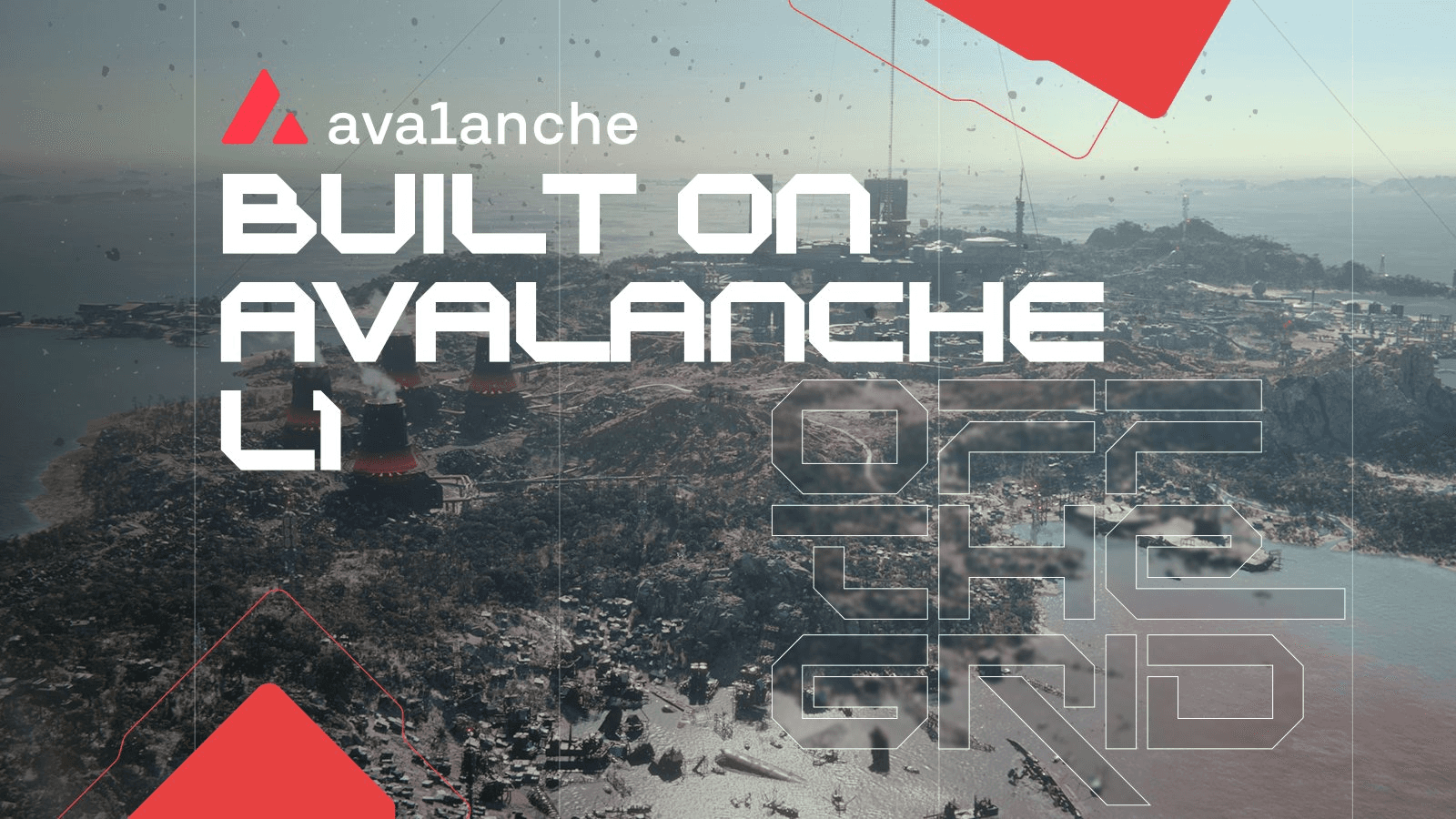
Building and deploying a Layer One blockchain is one of those moments in a developer’s journey that feels both intimidating and rewarding. Avalanche, with its high throughput and flexible Subnet architecture, gave me the perfect entry point into this challenge. This post outlines the process of launching my first Layer One on Avalanche, some of the challenges I encountered along the way, and the lessons that came with solving them.
Getting Started
Avalanche’s Subnet model is designed to allow developers to create custom blockchains with unique parameters, consensus mechanisms, and virtual machines. This flexibility is powerful, but it also means there are many moving pieces to configure correctly.
My primary goal was simple: spin up a functional Layer One that could serve as a foundation for future experiments in decentralized applications, specifically in areas I am passionate about such as OnChainAI and GameFi.
Key Challenges and Solutions
1. Configuring the Subnet Environment
One of the first hurdles was setting up the development environment for Avalanche. Installing AvalancheGo and configuring the Subnet CLI initially seemed straightforward, but subtle mismatches in version dependencies caused repeated failures when initializing my chain.
Solution:
I discovered the importance of aligning versions across the AvalancheGo node, the Subnet-CLI, and any external tooling. Careful attention to release notes and maintaining a clean environment for each test iteration eliminated most of these conflicts.
2. Defining Chain Parameters
Designing the tokenomics and governance parameters for my chain was more complex than expected. The temptation was to replicate parameters from existing chains, but that often led to mismatches between my intended use case and the actual chain performance.
Solution:
I built small test scenarios, experimenting with block times, validator staking requirements, and gas limits. By starting with simplified models and gradually adding complexity, I avoided the trap of over-engineering from the beginning.
3. Validator Setup and Stability
A Layer One is only as strong as its validators. My initial setup faced stability issues, with nodes dropping unexpectedly due to insufficient resource allocation.
Solution:
Instead of relying on local machines, I deployed validator nodes on cloud instances with dedicated resources. Monitoring tools allowed me to quickly identify bottlenecks and fine-tune performance. This experience highlighted the operational demands of running a secure blockchain network.
4. Testing and Deployment
The final obstacle was ensuring that my chain could support real transactions without crashing under stress. Early stress tests exposed memory leaks and syncing problems that would have rendered the chain unusable in practice.
Solution:
Iterative stress testing with simulated workloads helped me identify weak points. Each cycle of testing, debugging, and redeploying made the chain more resilient until I had a stable Layer One running consistently.
Key Takeaways
Launching a Layer One blockchain is not about getting everything right on the first attempt. It is a process of iteration, failure, and refinement. Avalanche’s Subnet framework made it possible to experiment quickly while still demanding the rigor that a production-grade blockchain requires.
Most importantly, this project reinforced that building in blockchain is not just about writing Solidity contracts or designing token models. It is about understanding the architecture at its deepest level and being willing to solve complex infrastructure problems that most developers never touch.
What Comes Next
Now that my first Layer One is live, my focus is on building real use cases on top of it. I plan to explore integrations with KomeshaBuild, my startup. This foundation opens the door to endless possibilities, and I am excited to continue building in this direction.